






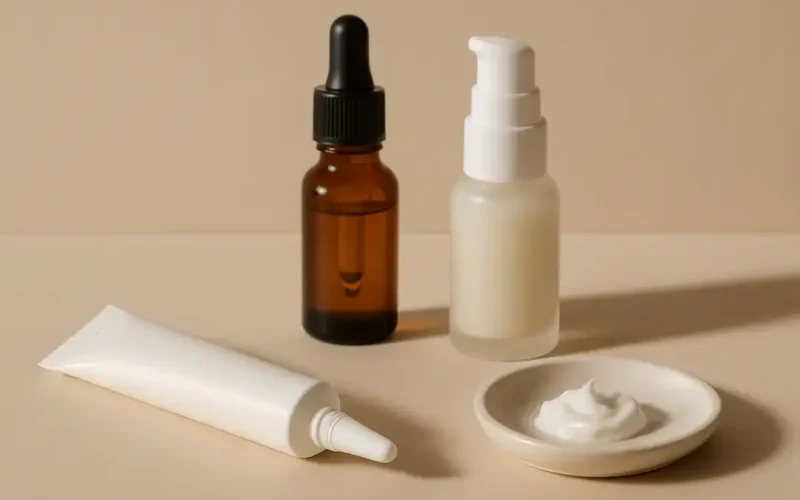
So many of us deal with dark circles, puffiness, or those pesky fine lines under our eyes. We pile on creams and serums, hoping something will finally work, but honestly, it can feel pretty discouraging when nothing really changes.
When over-the-counter products just aren’t cutting it for stubborn under-eye issues, medical treatments might actually be the answer. Stuff like filler injections, laser therapy, or even surgery can sometimes tackle what creams can’t, depending on what’s really going on.
Getting to the root of under-eye problems matters. Sometimes it’s just genetics, getting older, or even habits we don’t think about, and no amount of pricey or hyped-up eye cream is going to change that.
Why Creams and Serums May Not Solve Under-Eye Issues
Skincare products do help with plenty of things, but when it comes to the under-eye area, they’re often just not enough. That skin is different—way thinner and a lot more fragile than anywhere else on your face.
Understanding the Under-Eye Area’s Unique Challenges
The skin under your eyes is about 0.5mm thick. It’s the thinnest on your whole body. There aren’t many oil glands or much collagen there either, which doesn’t help. Because the skin’s so thin, you can see blood vessels and tissues underneath, which makes dark circles look worse. And as we get older, this area loses elasticity even faster than the rest of the face.
Every time you blink, smile, or squint, you’re moving that skin, and all that motion just speeds up the breakdown of collagen and elastin. It doesn’t help that sun, poor sleep, and a bunch of other things can make it even more fragile. No wonder most creams struggle to make a real difference here.
Common Limitations of Topical Treatments
Most eye creams and serums have molecules that are just too big to get deep into the skin. They pretty much sit on the surface, giving you a little hydration but not making any lasting changes.
Retinol can be too harsh for this delicate spot. Peptides, no matter what the label says, usually can’t get deep enough. Vitamin C might make things look brighter for a bit, but it won’t fix what’s underneath. Hyaluronic acid? Nice for a moisture boost, but it can’t fill in lost volume.
Even the fanciest creams usually only help a little, and if you stop using them, the effects disappear. When genetics, bone shape, or fat pads are the problem, no cream or serum is going to fix it, no matter how much you spend.
Persistent Concerns: Dark Circles, Puffiness, and Fine Lines
Dark circles can come from so many things—genes, thin skin, visible blood vessels, shadows from your bone structure. Creams might brighten things up a bit, but they don’t really get at the cause.
Puffiness is another tough one. Sometimes it’s just fluid, but often it’s weak tissues or fat pads pushing forward. Caffeine-based products can shrink swelling for a few hours, but they won’t get rid of bags if the structure underneath is the real issue.
Fine lines? They’re usually from lost collagen and all that constant movement. Creams might plump things up temporarily, but they can’t rebuild what’s missing deep down. And once age-related volume loss sets in, you get hollows and shadows that no topical can really fix.
Treating Eye Bags for Long-Lasting Results
Eye bag surgery in Singapore, such as blepharoplasty, offers a more permanent solution for under-eye issues that creams can’t fix. Skilled surgeons carefully remove or reposition excess fat and skin to create a smoother, more youthful appearance.
This surgery can cost anywhere from $3,500 to $7,000 SGD, depending on how complicated it is and which surgeon you choose. Recovery usually takes a week or two, and you’ll see the full results after a few months.
Singapore’s clinics stick to strict standards, and the surgeons have special training for both Asian and non-Asian eye shapes. If you’re not ready for surgery, there are non-surgical options like dermal fillers for tear troughs, usually costing $800 to $1,200 SGD per session. These can help with lost volume that creams just can’t fix.
Advanced Solutions for Persistent Under-Eye Concerns
If the usual creams and serums aren’t doing much for your under-eye problems, sometimes you need to go a step further. Professional treatments can really target the actual causes of hollows, puffiness, or deep wrinkles.
Professional Treatments: Fillers, Lasers, and Chemical Peels
Dermal fillers can give instant results for hollows and tear troughs. Brands like Restylane and Juvederm use hyaluronic acid to add volume and last about 6 to 12 months. The results show up right away, and you don’t need much downtime.
Laser treatments are another option. Fractional lasers boost collagen and smooth out texture, while things like Nd:YAG lasers can help with pigmentation. Usually, you need a few sessions—maybe three to five—for the best results.
Chemical peels use acids like TCA or glycolic to peel away damaged outer layers. These professional-strength peels can soften lines and even out skin tone. You’ll need about a week to recover, but the improvement can be pretty noticeable.
Fillers usually run $600 to $1,200 per session, lasers are about $300 to $800, and chemical peels go for $150 to $400. Not cheap, but sometimes worth it if nothing else is working.
Minimally Invasive Procedures for Lasting Results
Microneedling with radiofrequency is another interesting choice. It uses tiny needles and heat to tighten skin and boost collagen, helping with sagging and texture. Most folks need two or three sessions, spaced out over a few months.
PRP therapy—sometimes called the “vampire facial”—uses your own blood to rejuvenate the under-eye area. The growth factors can help repair and refresh thin skin and fine lines. It’s kind of wild, but a lot of people swear by it.
Thread lifts are a less invasive way to lift sagging skin. Doctors insert dissolvable threads under the skin, which lift things up and stimulate new collagen. Results can last a year or two, making them a solid option if you’re not ready for surgery but want more than a cream can offer.
Lifestyle Adjustments and Preventive Strategies
Staying hydrated really does make a difference for under-eye skin. Most people do best with about 8-10 glasses of water a day, though honestly, who counts every glass? Still, cutting back on alcohol and caffeine helps since they tend to dry out your skin and can make puffiness more obvious.
How you sleep can change things, too. If you usually wake up with puffy eyes, try sleeping on your back. Propping up your head with an extra pillow might help keep fluid from gathering around your eyes overnight. It’s a small thing, but sometimes those little changes add up.
What you eat matters more than people think. Foods high in antioxidants, like berries or spinach, and those with omega-3s—think salmon or walnuts—can help your skin handle stress and inflammation. And if you’re reaching for the salt shaker too often, maybe pull back a bit. Too much salt can make your body hold onto water, which doesn’t do puffy eyes any favors.
Sun protection is non-negotiable, honestly. The skin around your eyes is thin and delicate, and UV rays just speed up the whole collagen breakdown thing. Sunglasses aren’t just for summer, and a daily SPF 30+ eye cream is worth the extra step, even if the sky is gray.
Further Reading