





The landscape of urban and rural mobility is rapidly evolving, driven by the continuous integration of innovative technologies. As cities grow, transportation systems are challenged to become more efficient, connected, and sustainable. This transformation is crucial in shaping smarter routes and more adaptive travel experiences. Solutions such as fleet management play a pivotal role in ensuring that movement within cities and across regions is well-organized and future-ready.
Emerging trends shaping modern mobility
Innovations in mobility are not just about faster vehicles or new routes. They encompass a broad spectrum of advancements, from intelligent traffic signals that adapt in real-time to the flow of vehicles, to platforms integrating various modes of transportation. The rise of shared mobility services, electric vehicles, and autonomous driving technology is shaping how people and goods move. These changes impact congestion, reduce emissions, and offer new levels of convenience and accessibility. Cities worldwide are experimenting with integrated mobility platforms, where real-time data and predictive analytics optimize daily commutes and deliveries.
As the demand for more responsive transportation grows, the role of digital infrastructure also increases. Cloud-based systems are becoming the backbone of many urban transit initiatives, connecting vehicles, control centers, and even passengers’ personal devices. This connectivity enables travelers to make informed decisions, choose optimal routes, and respond to disruptions more effectively. The ongoing push for innovation ensures that the journey is not only smarter but also more user-centric and resilient to changing needs.
The impact of data and connected systems
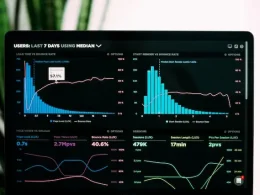
Central to smarter mobility is the vast amount of data generated by connected vehicles and infrastructure. Sensors embedded in roads and vehicles collect data on traffic flow, weather conditions, and maintenance needs. This information can highlight patterns, reveal inefficiencies, and trigger timely interventions. By analyzing this data, planners and service providers can adapt scheduling, enhance safety, and provide targeted support during peak times or emergencies.
Furthermore, the integration of artificial intelligence makes real-time analysis and prediction possible. Machine learning algorithms anticipate traffic congestion, manage traffic lights, and adjust public transport schedules. These intelligent systems also support the wider adoption of autonomous vehicles, which depend on connectivity and reliable data to navigate complex environments. Collaboration between public institutions, technology providers, and urban planners remains essential to standardizing systems and ensuring public trust in data-driven solutions.
Designing inclusive and sustainable journeys
Intelligent mobility solutions must be inclusive, ensuring access for all communities regardless of demographic or location. Innovations in accessible transport design, such as vehicles equipped for those with physical limitations, contribute to a more equitable mobility network. Seamless integration between different transport modes, buses, trams, bikes, and ride-sharing, encourages the use of public transportation, which can lower emissions and reduce congestion in urban areas.
Sustainability is another cornerstone of modern mobility innovation. Electrification of vehicles, development of green infrastructure, and the adoption of renewable energy sources for charging all contribute to cleaner travel. Smart journey planning tools allow users to compare the environmental impact of their choices, helping cities reach ambitious sustainability targets. By focusing on both connectivity and inclusiveness, advancements at the crossroads of mobility and technology can deliver smarter journeys that benefit people and the planet.
Further Reading