





When people think about fire safety, most of the time they picture alarms going off or firefighters rushing in. But there’s something just as important that doesn’t get much attention—how smoke gets out of the building. And if it can’t get out? That’s when things get really dangerous.
Let’s talk about what actually happens when smoke has nowhere to go—and why buildings need special systems to deal with it.
Smoke Isn’t Just Annoying—It’s Deadly
If a fire breaks out, smoke fills the space fast. It spreads quicker than the fire itself and can block your view in just seconds. That means people can’t see exits, signs, or even each other. And it’s not just the burning smell that’s a problem—smoke is full of toxic stuff. Breathing it in can knock you out before you even realize what’s happening.
Most fire-related deaths don’t come from the flames. They come from the smoke.
So even if the fire is small and gets put out quickly, the smoke can still be what causes the real danger. That’s why letting it escape matters so much.
How Does Smoke Normally Get Out?
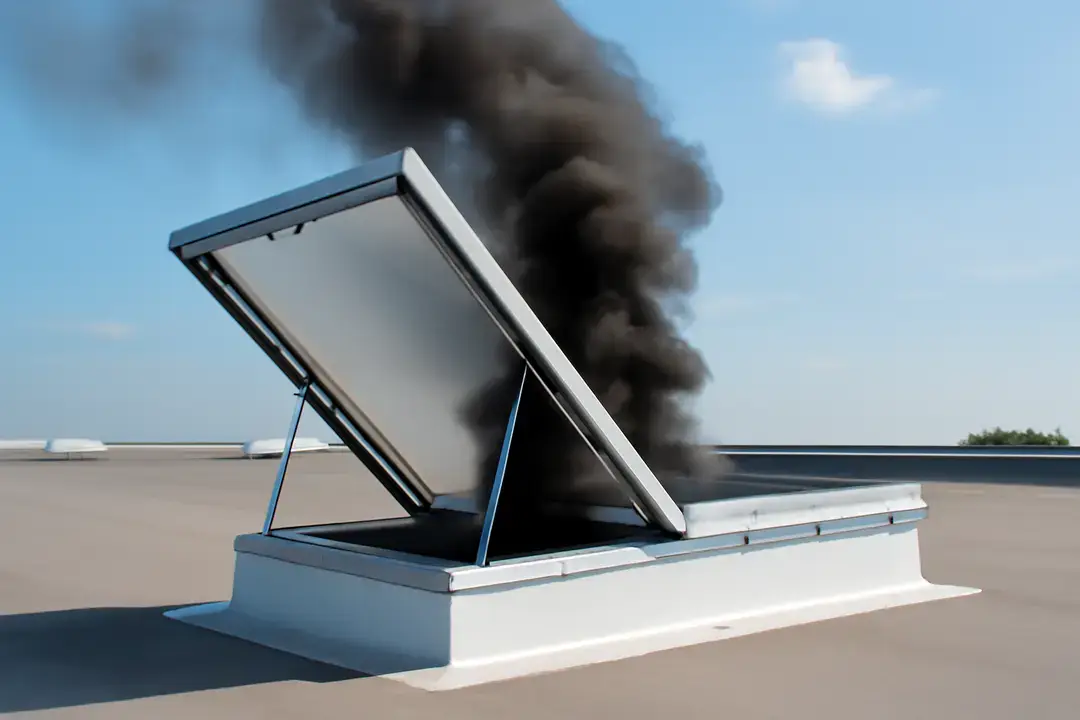
In well-designed buildings, there are systems called SHEV (smoke and heat exhaust ventilation) that take care of this. They’re like built-in exit paths just for smoke. When a fire starts, these vents open up automatically—usually on the roof—so hot smoke can rise and escape.
If you want to see what those systems look like or how they work, you can check out this SHEV (smoke and heat exhaust ventilation) option. It shows how these vents are actually built into roofs to work fast in an emergency.
It’s not about cooling the building or making it comfortable. It’s about saving time and helping people get out safely.
What Happens If There Are No Smoke Vents?
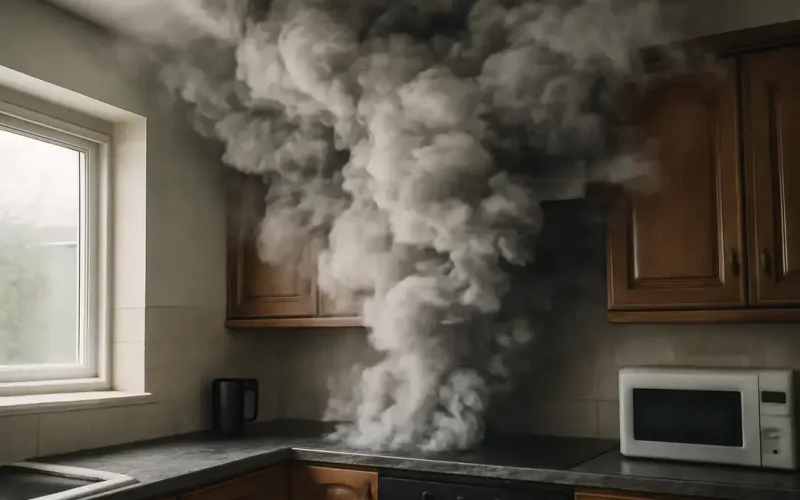
Without a way out, smoke builds up inside. Picture a big room filling with dark clouds—you wouldn’t be able to see where to run, and the air would be impossible to breathe. Here’s what could go wrong:
- People can’t find the exits. That’s scary when you only have seconds to get out.
- Firefighters can’t do their jobs. They can’t see or breathe either, which slows down the rescue.
- The fire gets worse. Hot smoke keeps the heat trapped inside, which can make the fire grow even faster.
It’s like locking in all the danger instead of letting it out. That’s why buildings—especially tall ones or public places—need systems to move smoke out, not just alarms to tell people there’s a problem.
Smoke Moves Fast—Like, Really Fast
When you think of a fire, you might imagine a little flame growing slowly. But that’s not how it works with smoke. The moment something catches fire, smoke starts rushing upward, then spreading sideways. It follows air currents, so it can move through hallways, stairwells, and vents before you even smell it.
And heat rises too. That’s what pushes the smoke up toward the ceiling and eventually toward the roof—if there’s a vent there to let it out. If not, it just bounces back down and spreads into more rooms.
That’s why timing matters so much. SHEV systems kick in as soon as a fire alarm does. They don’t wait for someone to open a window—they’re automatic, fast, and smart.
It’s Not Just About Fires Either
Some people think smoke vents are only useful during huge emergencies. But even small fires in kitchens, electrical rooms, or maintenance areas can cause serious smoke problems. If a system is there to let that smoke escape, it helps avoid bigger damage—and keeps the whole building safer.
It’s also about rules and building codes. In a lot of places, buildings are required to have smoke ventilation systems if they’re a certain size or used for certain things (like schools, offices, or shopping centers). That’s because the risk is higher when more people are inside.
So having good smoke control isn’t just a nice extra. It’s part of being smart and responsible when you design or manage a building.
What Smoke Vents Actually Look Like
Most of the time, you don’t even notice them. They’re built into the roof or high walls, and they just look like regular panels or covers. But behind the scenes, they’re wired into the fire safety system. Some pop open with springs. Others slide up. Some are powered by electricity, and some work on their own using natural air flow.
The design depends on the building and what it’s used for. A fancy office tower might use automatic roof vents with sensors. A warehouse might use big panels that open when the air hits a certain temperature. But the point is the same: Give smoke a way out.
Quick Recap
Letting smoke out of a building is just as important as getting people out. Without a smoke vent system, everything gets more dangerous—faster. You lose time, visibility, and safe air to breathe.
Here’s what to remember:
- Smoke spreads fast and blocks exits.
- Most fire deaths come from smoke, not flames.
- SHEV systems help move smoke up and out safely.
- These vents open automatically in a fire—no human needed.
- Good smoke ventilation helps firefighters and saves lives.
Next time you’re in a big building, look up. Somewhere on the roof, there’s probably a vent ready to open if something goes wrong. It might not be flashy, but it’s one of the smartest parts of the whole building.