





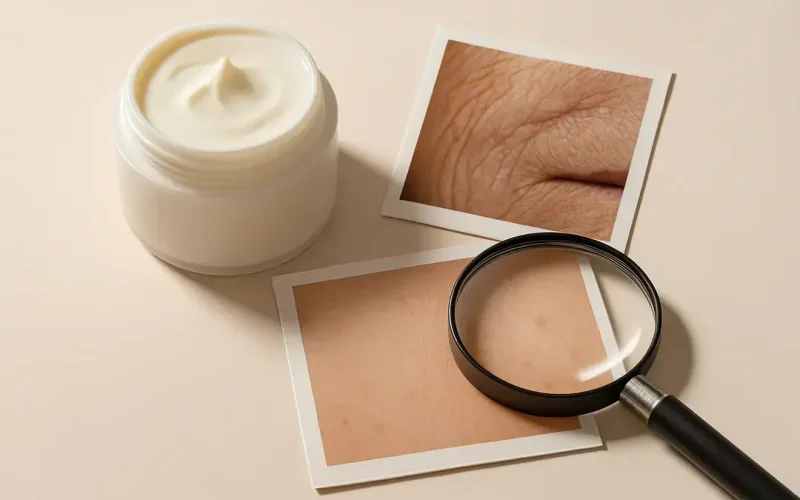
Getting older—yeah, it happens to all of us, and our skin is usually the first to spill the beans. Fine lines, wrinkles, age spots, and that gradual sagging sneak up over time, even if you swear you’re still 25 at heart.
The most common signs of skin aging? Think wrinkles near your eyes and mouth, dark spots, dryness, and skin that just doesn’t bounce back like it used to. All of this comes down to less collagen production and years of sun, stress, and, let’s be honest, city pollution.
But here’s the thing: you can slow a lot of these changes with some pretty straightforward habits. Daily sunscreen, lots of water, a diet packed with antioxidants, and smart skincare—these really do add up over the years.
Recognizing the Top Signs of Skin Ageing
Skin tells the story of our years, sometimes louder than we’d like. The signs show up gradually, but one day you just notice them staring back in the mirror.
Fine Lines and Wrinkles
Fine lines and wrinkles usually show up first, especially around your eyes (hello, crow’s feet), between your brows, and across your forehead. As we age, skin makes less collagen and elastin—the stuff that keeps it plump and springy. Smiling, frowning, squinting, all those little expressions, carve out grooves that eventually stick around.
And let’s not forget the sun. UV rays break down collagen and create free radicals that mess with skin cells, so if you’ve spent years outdoors without sunscreen, you’ll probably notice wrinkles sooner.
Loss of Skin Elasticity
Over time, skin loses that firm, bouncy feel. Elastin fibers break down, and your face starts to look less sculpted, especially around the jawline and cheeks.
Gravity doesn’t help, either. As the years go by, it pulls on skin that just can’t snap back like it used to. You might notice that when you pinch your skin, it doesn’t spring back right away. That’s a classic sign of lost elasticity.
Uneven Skin Tone and Pigmentation
Age spots—those flat, brown patches—pop up on areas that see the most sun. Years of UV exposure trigger extra melanin, and suddenly your hands or cheeks look a little speckled. Skin tone gets patchier, too. Some spots go darker, others look washed out. Broken capillaries, especially around the nose and cheeks, become more obvious as blood vessel walls weaken.
Melasma, those brownish patches, can show up thanks to hormones and sun, and it’s more common in women. If you’re not already using sunscreen every day, it’s really time to start. It can help keep new spots from forming and stop existing ones from getting worse.
Visible Pores
Pores seem to stretch out as skin loses its structure. Years of sun damage break down the collagen that keeps them tight, so they end up looking bigger. Oddly enough, even though oil production drops with age, drier skin can make pores look more obvious because of the shadows they cast. Dead skin cells tend to pile up around the openings, too, making pores seem larger than they are. Exfoliating regularly helps a lot.
And, let’s be real, some folks just naturally have bigger pores, which only get more noticeable with age.
Getting Professional Skin Treatments in Singapore
Getting professional treatments at an aesthetic clinic in Singapore can make a noticeable difference for aging skin. The city is home to many reputable clinics with experienced dermatologists and aesthetic doctors.
They’ll look at your skin and suggest treatments that actually fit your needs—maybe lasers, chemical peels, or microdermabrasion. There are also non-invasive options like Thermage and Ultherapy, which tighten skin by boosting collagen with radiofrequency or ultrasound. If you’re curious about the ultherapy cost in Singapore, checking with accredited clinics will give you the most accurate and updated pricing.
Injectables like Botox and fillers are still popular, too. Botox relaxes wrinkle-causing muscles, and fillers add back lost volume. If you’re thinking about any of this, make sure the clinic is accredited and the practitioners have solid experience. A good clinic will always offer a consult first and set realistic expectations.
Effective Strategies to Slow Down Skin Ageing
We can’t stop skin from aging, but there are proven ways to slow it down and keep that fresh look a little longer. It’s about smart protection, good nutrition, the right treatments, and just taking care of yourself overall.
Sun Protection and SPF Use
The sun is responsible for most visible aging, believe it or not. Using a broad-spectrum SPF 30+ sunscreen every day—rain or shine, summer or winter—really matters.
Reapply every couple of hours if you’re outside, and after swimming or sweating. Hats, sunglasses, and long sleeves help, too. Personally, I look for sunscreens with zinc oxide or titanium dioxide—they’re reliable and create a physical shield against UV rays.
If you can, avoid being outside when the sun’s at its strongest, usually between 10 AM and 4 PM. Even short exposure during these hours can speed up collagen loss.
Hydration and Nutrition for Skin Health
Drinking enough water keeps skin supple and less prone to dryness. Aim for 8-10 glasses a day if you can swing it, and eat hydrating foods like cucumbers and watermelon.
Some nutrients really stand out for skin: vitamin C (think citrus and strawberries) helps with collagen, vitamin E (nuts, seeds, olive oil) protects against free radicals, and omega-3s (fatty fish, flaxseeds) fight inflammation. Antioxidants from berries or green tea are great, too.
Try to cut back on sugar and processed snacks. High-sugar diets can damage collagen and elastin, making skin age faster. A Mediterranean-style diet—lots of veggies, fruits, whole grains, and healthy fats—has even been linked to fewer wrinkles. Not a bad excuse for more olive oil and tomatoes, right?
Incorporating Retinoids and Antioxidants
Retinoids, those vitamin A creams, are pretty much the gold standard for anti-aging. They speed up cell turnover and help skin make more collagen. If you’ve never used them, start slow—lower strengths a couple of times a week at night, then build up. Sunlight can deactivate retinoids and make skin sensitive, so nighttime is best.
Pairing retinoids with daytime antioxidants like vitamin C, niacinamide, or resveratrol can help neutralize free radicals. Peptides are another good addition for boosting firmness—look for ones like palmitoyl pentapeptide or copper peptides.
And don’t forget hyaluronic acid. It draws moisture into the skin and gives a quick plumping effect. Using different molecular weights means it can hydrate multiple layers, so your skin feels softer and looks fresher.
Healthy Lifestyle Habits
Getting enough sleep really matters for your skin’s repair and overall health. Shoot for around 7-8 hours each night—though, honestly, who always manages that? If you can, try sleeping on your back. It might help with those annoying sleep lines or that morning face puffiness.
Moving your body regularly gets your blood flowing, which means more oxygen and nutrients reach your skin. That’s not just good for how you look, but also helps your body make more of its own antioxidants, which can shield you from some of the daily wear and tear.
Stress—yeah, it’s everywhere, and it’s rough on your skin. High stress can mess with your collagen and speed up ageing. Taking a few minutes for meditation, some deep breaths, or even a bit of yoga can make a surprising difference in how you feel (and look).
If you smoke, your skin pays the price. Smoking cuts down blood flow and drains away vitamin C—two things your skin really needs. And about alcohol? It dries you out and can set off inflammation, so it’s worth keeping an eye on how much you’re having.
When it comes to washing your face, go easy. Hot water and harsh scrubbing strip away those natural oils your skin needs. Lukewarm water and a gentle pat dry work much better for keeping your skin’s barrier happy.