






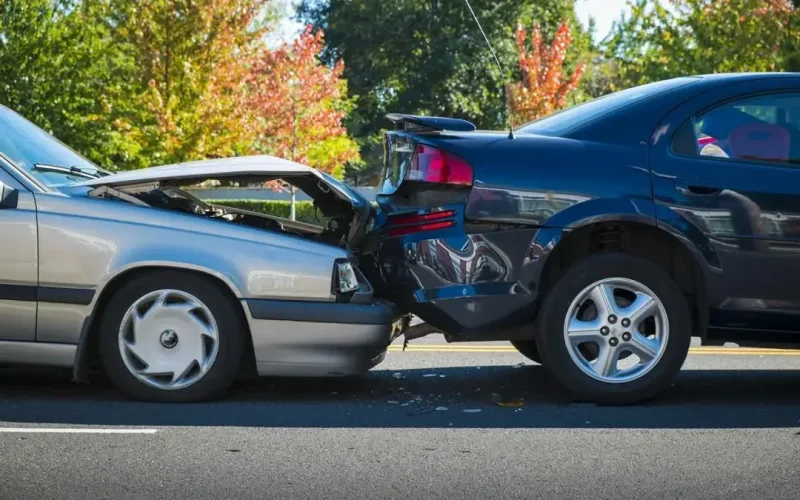
Driving requires full attention, clear judgment, and quick reflexes, yet every day, lives are shattered by drivers who get behind the wheel impaired. Some of the most serious accidents aren’t just the result of bad luck but of preventable actions. Knowing which three driving impairments are the most dangerous is essential, especially when taking the potential legal repercussions into account. If an impaired driver has harmed you or a loved one, knowing how these risks factor into liability can protect your right to compensation.
1. Distracted Driving
One of the most dangerous driving impairments in the United States is distracted driving; it continues to be a significant factor in auto accidents and a major contributor to traffic fatalities and injuries. This impairment involves any activity that shifts attention away from the primary task of driving. Common distractions include texting, talking on the phone, adjusting GPS or other in-car systems, eating, or engaging with passengers. Despite growing awareness, distracted driving continues to be a serious issue, primarily fueled by the widespread use of smartphones and advanced vehicle technologies.
The law is clear on this matter; most states have implemented strict regulations prohibiting the use of handheld devices while driving. Violators may face fines, points on their license, or, in severe situations, license suspension. Even a brief distraction can lead to devastating outcomes, especially at highway speeds. Reading a text for just five seconds is comparable to driving the length of a football field without looking at the road. Courts now frequently treat distracted driving as negligence or recklessness, which can lead to civil lawsuits or even criminal charges in extreme cases.
2. Drunk Driving
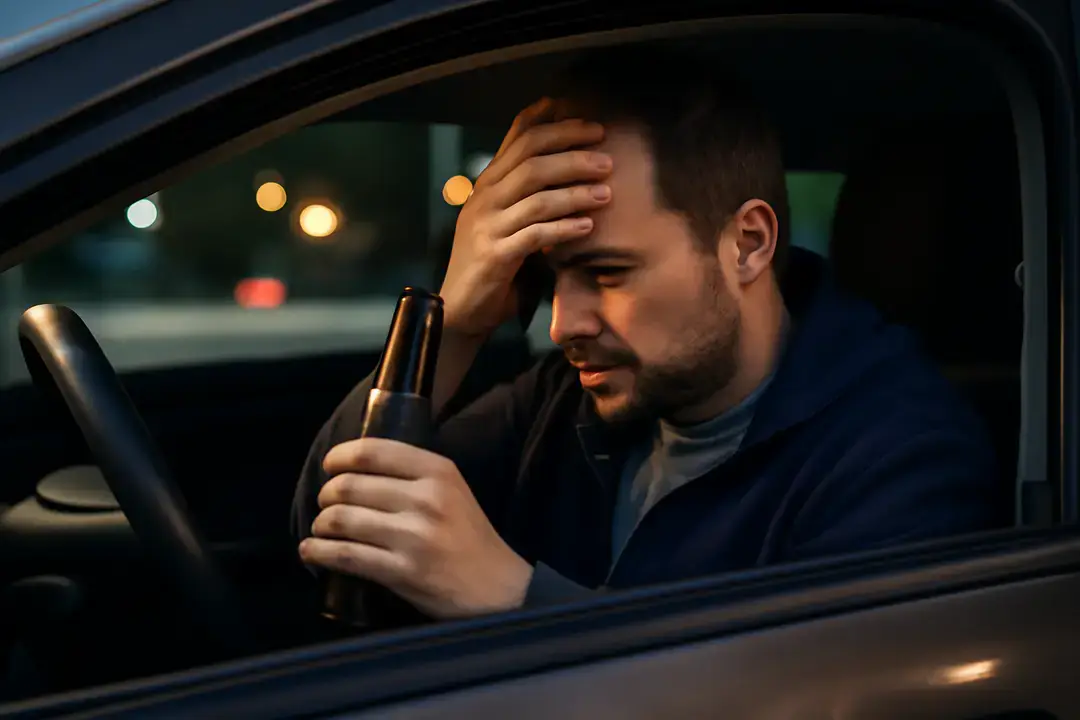
Alcohol impairment remains one of the most dangerous and heavily penalized driving impairments. Drunk driving significantly slows down a driver’s reaction time, damages their judgment, and raises the risk that they will lose control of their car. The law strictly prohibits operating a vehicle with a blood alcohol concentration (BAC) of 0.08% or higher in most jurisdictions, but impairment can begin at much lower levels.
Drunk driving is not just a traffic violation; it is a criminal offense. Penalties include heavy fines, license suspension, required alcohol education classes, and even jail time, particularly for repeat offenders or in cases where the offense causes harm or death. Drivers may be held civilly liable for any damage their activities cause.
Despite decades of public awareness campaigns and harsh legal consequences, alcohol-impaired driving continues to claim thousands of lives annually. In keeping with society’s awareness of the substantial risks involved, the judicial system handles these situations with the highest seriousness.
3. Fatigued Driving
Just as deadly as driving while intoxicated or under the influence of drugs is the often-overlooked impairment of driving while sleepy or exhausted. Besides slowing reaction times and affecting decision-making, fatigue can even make drivers nod off while operating a motor vehicle. Long-haul truck drivers, shift workers, and those with sleep disorders are particularly at risk, but anyone can become dangerously fatigued behind the wheel.
While there are fewer explicit laws targeting fatigued driving compared to distracted or drunk driving, drivers involved in accidents due to fatigue can still face serious legal consequences. If fatigue leads to reckless or negligent driving, resulting in an accident, drivers may be held liable in both criminal and civil courts. Some jurisdictions have begun to recognize drowsy driving as a specific offense, particularly in commercial driving regulations.
Employers, especially in the transportation industry, are also subject to regulations that limit consecutive driving hours to help prevent fatigue-related accidents. Drivers and company employees alike may face severe penalties for violations.
Conclusion
Distracted driving, drunk driving, and fatigued driving are the top three impairments that most often lead to serious accidents on our roads. Each is addressed by a framework of traffic laws and legal consequences designed to deter dangerous behavior and protect public safety. The law can only do so much to prevent these tragedies and requires a commitment from every driver to remain vigilant, sober, and well-rested behind the wheel. To hold the negligent person accountable, you must get legal advice if you have been impacted by such negligence.
Further Reading