






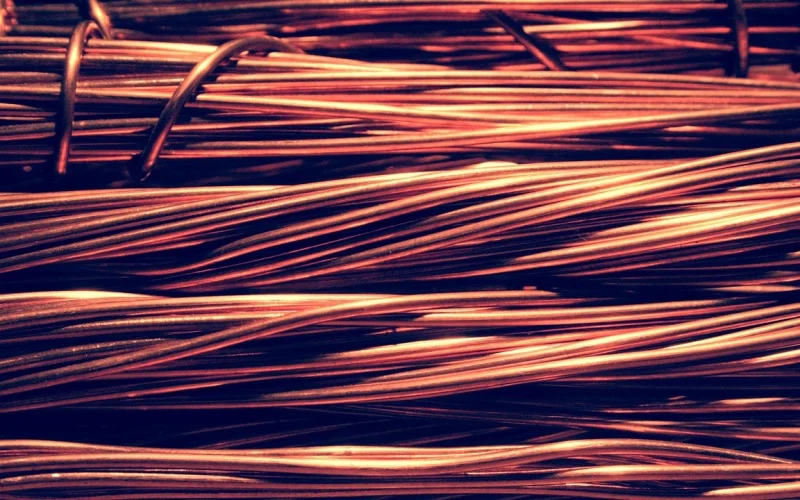
Copper bus bars are integral components in electrical systems, serving as conduits for efficient power distribution. Fabricating these bus bars involves precise cutting techniques to ensure optimal performance and reliability. Selecting the appropriate cutting method is crucial, as copper’s softness and tendency to deform can present challenges.
Laser Cutting
Laser cutting employs a high-powered laser beam to achieve precise cuts in copper materials. This method is particularly advantageous for intricate designs, offering clean edges and minimal need for post-processing. However, laser cutting can be cost-prohibitive due to the advanced equipment required. Additionally, copper’s reflective nature can pose challenges, potentially reducing cutting efficiency. Despite these considerations, laser cutting remains a preferred choice for applications demanding high precision.
Water Jet Cutting
Water jet cutting utilizes a high-pressure stream of water, often mixed with abrasive materials, to slice through copper. This technique effectively cuts through thick copper sections without generating heat, thereby preserving the metal’s structural integrity. Water jet cutting is versatile and can handle various thicknesses, but it may result in a rougher edge compared to laser cutting, necessitating additional finishing processes.
Mechanical Cutting
Mechanical methods, such as using hacksaws or bandsaws, are traditional approaches to cutting copper bus bars. These tools are widely accessible and suitable for straightforward cuts. However, mechanical cutting can introduce physical stress to the material, leading to deformation or burrs that require further deburring. While cost-effective, mechanical methods may lack the precision offered by laser or water jet techniques. Are you looking for copper cutter? Or bus bar? Visit us.
Precision Plasma Cutting
Precision plasma cutting involves using a high-velocity jet of ionized gas to melt and expel copper material, achieving precise cuts. This method is efficient and suitable for various thicknesses, making it a viable option for fabricating copper bus bars. However, plasma cutting generates heat, which can affect the metallurgical properties of copper if not properly managed. Therefore, careful control of cutting parameters is essential to maintain the desired quality.
Considerations for Selecting a Cutting Method
When choosing a cutting technique for copper bus bars, several factors should be considered:
- Material Thickness: Thicker materials may require more robust cutting methods like water jet or plasma cutting.
- Precision Requirements: For applications necessitating intricate designs, laser cutting offers superior accuracy.
- Budget Constraints: Mechanical cutting methods are more cost-effective but may require additional finishing.
- Thermal Effects: Methods that generate heat, such as laser and plasma cutting, should be carefully managed to prevent altering the copper’s properties.
In conclusion, the fabrication of copper bus bars demands careful selection of cutting techniques to balance precision, efficiency, and cost. Understanding the advantages and limitations of each method ensures the production of high-quality bus bars tailored to specific electrical applications.
FURTHER READING